
Legacy To Cloud.
Technology moves fast. And if your business is still running on software that was installed a decade ago, you're probably feeling the strain. Slow systems, constant workarounds, and that nagging feeling that your competitors are doing things faster and smarter—it all adds up.
Legacy systems—those older, on-premises software setups that once served you well—can quietly become anchors holding your business back. They're expensive to maintain, difficult to update, and often can't keep pace with how modern businesses need to operate.
Cloud ERP offers a way out. It's not just a technology upgrade—it's a fundamentally different approach to managing your business operations. In this article, we'll look at why legacy systems become problematic, what cloud ERP actually offers, and how to make the switch without disrupting everything you've built.
The Hidden Costs of Holding On
Legacy systems don't usually fail all at once. They slowly become more burdensome until one day you realize you're spending more time and money keeping the old system running than you would on something new.
Maintenance That Never Ends
Older software requires constant attention. Updates need to be installed manually. Servers need monitoring and occasional replacement. You might be paying for specialized IT support just to keep things from breaking.
- Manual update installations and server monitoring
- Expensive specialized IT support for deprecated stacks
- Complicated workarounds for simple modern tasks
Stuck in Place While the World Moves
Legacy systems are notoriously inflexible. Need to add a new feature? That might require expensive custom development—if it's even possible. Want to connect your ERP to a new tool your team loves? Good luck getting them to talk to each other.
Security Gaps You Might Not See
Older systems often lack modern security features. They might not support current encryption standards or multi-factor authentication. Patches for newly discovered vulnerabilities may come slowly—or not at all if the software vendor has moved on to newer products.
Flying Blind Without Good Data
Modern businesses run on data. But legacy systems often make it hard to get the information you need when you need it. Reports might take hours to generate. Real-time visibility into your operations? Probably not happening.
What Exactly Is Cloud ERP?
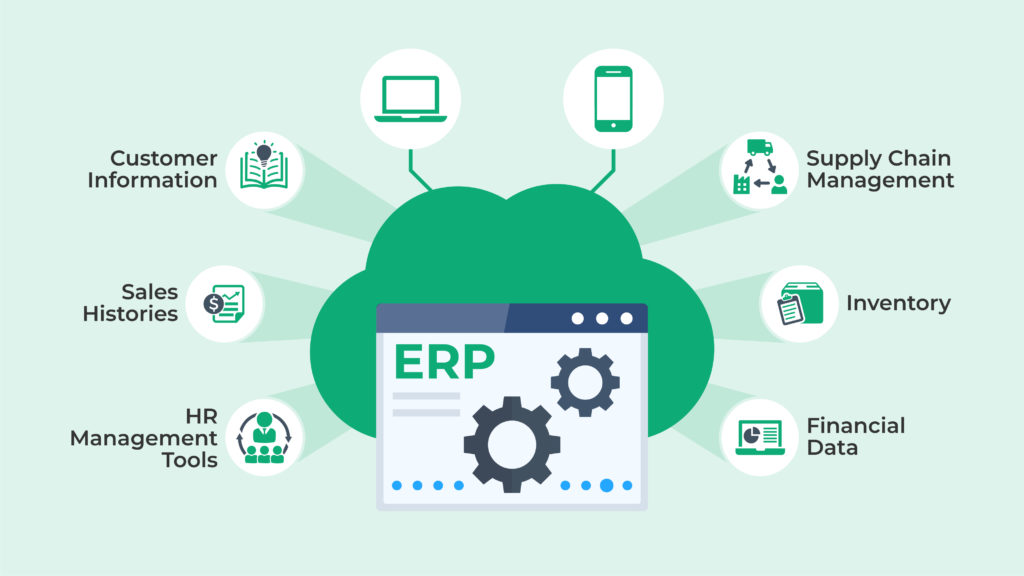
ERP stands for Enterprise Resource Planning. At its core, ERP software helps you manage all the essential functions of your business in one place: finances, inventory, projects, payroll, customer relationships, and more.
The Cloud Advantage
"Think of it like the difference between owning a car and using a ride service. With traditional software, you own it but you're also responsible for maintenance, repairs, and eventually replacement. With cloud ERP, you pay for what you use and someone else handles the upkeep."
How Cloud ERP Works
You pay a subscription fee—usually monthly or annually—and get access to the software through your web browser or a mobile app. The provider handles all the technical infrastructure: servers, security, backups, updates, everything.
Cloud ERP vs. Traditional ERP
Traditional ERP requires you to buy software licenses and install them on your own servers. You need IT staff to manage updates, handle backups, and troubleshoot problems. The upfront cost is substantial, and you're responsible for everything.
Why Businesses Are Making the Switch
Access Anywhere
Check inventory from a job site or approve orders while traveling. All you need is an internet connection.
Real-Time Data
Live view of finances, inventory, and projects. No more waiting for end-of-day reports.
Predictable Costs
Flat subscription model. No surprise hardware failures or massive upgrade fees.
Scalability
Easily add users, locations, or product lines as you grow without capacity constraints.
Better Collaboration, Better Results
Breaking Down Information Silos
Cloud ERP puts everyone on the same system with access to the same data. When someone in sales closes a deal, finance sees it immediately. When inventory runs low, purchasing knows right away.
Supporting Remote and Distributed Teams
The way people work has changed. More employees work remotely. Teams are spread across locations. Cloud ERP makes this easy. Your team can access what they need from wherever they are.
What Happens If You Don't Change?
Sometimes the biggest risk isn't making a change—it's staying where you are. Falling behind competitors, missing growth opportunities, and increasing vulnerability to security breaches are real threats.
Making the Move to Cloud ERP
A successful transition starts with clear planning. Document your requirements, evaluate solutions, and manage the change through good communication with your team.
Ready for the Future?
Sticking with legacy systems might feel safe, but it's actually one of the riskier choices you can make. The costs keep accumulating while the gap between you and your competitors widens.
Start your digital transformation journey today.
Want more insights?
Follow our journey as we redefine enterprise software for the physical world.
All Articles